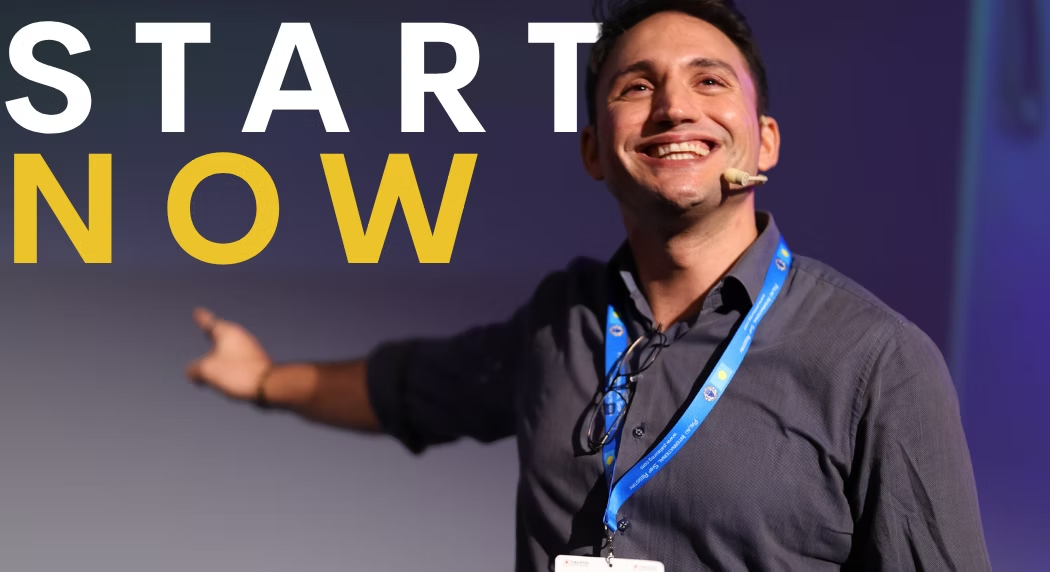
Have you ever watched a confident speaker command a room and wondered how they make it look so effortless? The ability to speak like a pro isn’t reserved for natural born talents it’s a skill anyone can develop with the right guidance and practice.
Whether you’re preparing for a crucial presentation, leading team meetings, or simply wanting to express yourself more clearly in everyday conversations, mastering professional communication can dramatically change your personal and professional trajectory.
What Does It Mean to Speak Like a Pro?
Speaking like a professional goes far beyond just knowing what to say. It encompasses your vocal delivery, body language, confidence level, and ability to connect authentically with your audience. Professional speakers understand that communication is both an art and a science blending technical skills with emotional intelligence.
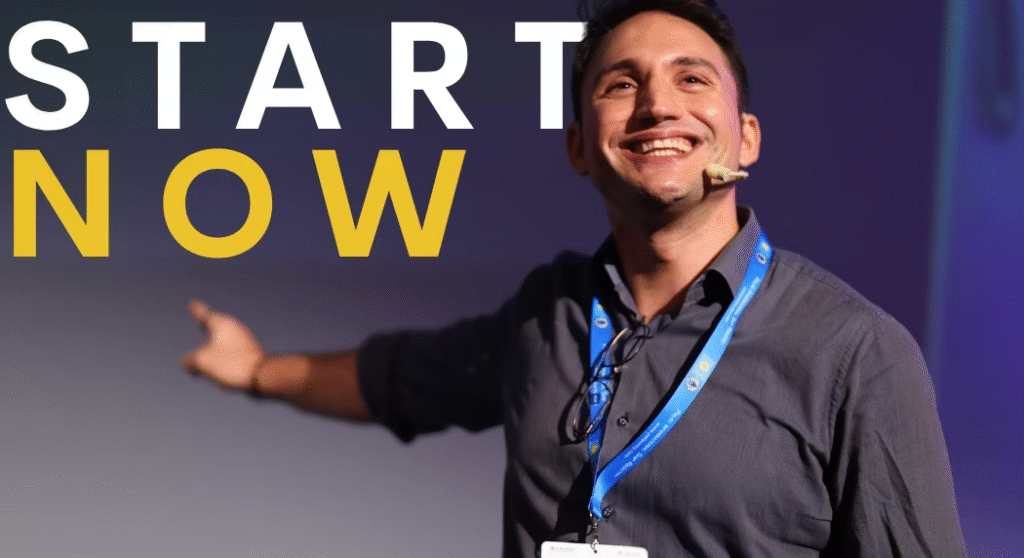
When you truly speak like a pro, people listen. Your words carry weight. Your ideas gain traction. Your influence expands naturally because you’ve learned to communicate with clarity, conviction, and charisma. Marco Polito
The Foundation: Building Your Speaking Confidence
Confidence forms the bedrock of professional speaking. Without it, even the most well crafted message falls flat. But confidence isn’t about being the loudest person in the room or never feeling nervous, it’s about trusting yourself and your message enough to share it authentically.
Start by acknowledging that nervousness is completely normal. Even seasoned professionals experience pre speech jitters. The difference is they’ve learned to channel that nervous energy into enthusiasm and engagement rather than letting it paralyze them.
Practice speaking in low stakes environments first. Share your thoughts in small group discussions, volunteer to give updates in team meetings, or record yourself speaking on topics you’re passionate about. Each small win builds the neural pathways that make confident speaking feel more natural.
Mastering Your Voice: The Technical Elements
Your voice is your instrument, and like any instrument, it requires tuning and practice. Professional speakers understand the technical elements that make their delivery compelling.
Pace and rhythm matter enormously. Speaking too quickly suggests nervousness and makes it difficult for your audience to process information. Speaking too slowly can lose people’s attention. Find your natural speaking rhythm, then practice varying your pace strategically, slowing down for important points and picking up speed during transitions.
Volume control isn’t just about being loud enough to hear. Professionals use volume dynamically, raising their voice for emphasis and lowering it to draw listeners in during intimate or serious moments. This variation keeps audiences engaged and highlights your most important messages.
Vocal tone conveys emotion and intention sometimes more powerfully than your actual words. A warm, enthusiastic tone invites connection. A firm, steady tone conveys authority. Practice recording yourself and listening back you might be surprised by what your tone actually communicates versus what you intended.
Body Language: The Silent Communicator
Research consistently shows that non verbal communication accounts for the majority of how your message is received. When you speak like a pro, your body reinforces rather than contradicts your words.
Maintain appropriate eye contact. This doesn’t mean staring anyone down, but rather naturally connecting with different people throughout your audience. When speaking one on one, hold eye contact for about three to five seconds before looking away briefly, then reconnecting.
Your posture communicates before you even open your mouth. Stand or sit with your shoulders back and spine straight. This open posture not only makes you appear more confident to others but actually triggers confidence boosting chemicals in your own brain.
Gestures should feel natural and purposeful. Professionals use hand movements to emphasize key points, illustrate concepts, and express enthusiasm. Avoid repetitive, nervous gestures like playing with pens or touching your face. Instead, let your hands move naturally to support what you’re saying.
Crafting Messages That Resonate
Professional speakers don’t just talk they communicate ideas that stick. This requires understanding your audience deeply and structuring your message for maximum impact.
Start with your audience in mind. What do they already know? What do they need to learn? What keeps them up at night? When you speak like a pro, you tailor your content to address real concerns and interests rather than just dumping information.
Structure matters tremendously. The most effective speeches follow clear patterns: opening with a compelling hook, organizing the body around three to five key points, and closing with a memorable call to action. This structure helps your audience follow your thinking and remember what matters most.
Stories transform abstract concepts into memorable experiences. Professionals weave relevant stories, examples, and case studies throughout their presentations. These narratives create emotional connections and make complex ideas accessible to everyone in the room.
Handling Questions and Difficult Moments
The ability to think on your feet separates good speakers from truly professional ones. When you speak like a pro, you handle unexpected questions and challenges with grace.
Listen completely before responding. Many speakers start formulating answers before the question is even finished, which often leads to misunderstandings. Give the questioner your full attention, then pause briefly before responding to show you’re considering their input thoughtfully.
If you don’t know an answer, admit it honestly. Professional speakers understand that credibility comes from authenticity, not from pretending to know everything. Offer to follow up with the information later, or invite others in the room to share their expertise.
When facing disagreement or criticism, resist the urge to become defensive. Acknowledge the other person’s perspective, find common ground where possible, and respond with facts rather than emotions. This approach maintains your professional demeanor even in challenging situations.
Practical Exercises to Elevate Your Speaking
Theory only takes you so far. To truly speak like a pro, you need consistent practice using proven techniques.
The recording exercise provides invaluable feedback. Record yourself giving a presentation or having a conversation. Watch or listen back without judgment, noting three things you did well and three areas for improvement. Repeat this weekly to track your progress.
The power pause practice helps you eliminate filler words like “um” and “uh.” When you feel a filler word coming, pause silently instead. This conscious replacement gradually trains your brain to embrace moments of silence rather than filling them with verbal clutter.
Vocal warm ups prepare your voice for important speaking engagements. Just as athletes stretch before competition, speakers should warm up their vocal cords. Try humming, tongue twisters, or simply reading aloud for five minutes before any important speaking situation.
The Professional Speaker’s Mindset
Technical skills matter, but mindset ultimately determines whether you speak like a pro. Professional communicators share several key mental approaches.
They view speaking as a service rather than a performance. When you’re focused on serving your audience, helping them understand, inspiring them to action, or solving their problems, you naturally become less self conscious and more effective.

They embrace continuous improvement. There’s no finish line in developing communication skills. Each speaking opportunity offers lessons and growth opportunities. Professionals actively seek feedback and constantly refine their approach.
They practice empathy consistently. Understanding what others think, feel, and need allows you to connect authentically and adjust your message in real time based on audience reactions.
Overcoming Common Speaking Challenges
Even when working to speak like a pro, certain obstacles trip up many communicators. Recognizing and addressing these challenges accelerates your development.
Stage fright affects virtually everyone at some point. Combat it through preparation, breathing exercises, and reframing nervousness as excitement. Remember that slight nervousness often leads to more energetic, engaging delivery than complete calm.
Monotone delivery makes even fascinating content feel boring. Practice vocal variety by reading children’s books aloud with exaggerated expression, then gradually applying similar (though more subtle) variation to your professional speaking.
Rambling without clear direction confuses audiences and diminishes your credibility. Combat this by outlining your key points before speaking and practicing concise responses to common questions.
Technology and Modern Speaking Environments
Today’s professionals must speak effectively across multiple media, including in person presentations, virtual meetings, recorded videos, and podcasts, each requires slightly different approaches.
For virtual speaking, position your camera at eye level and look directly into the lens when making important points. This creates the illusion of eye contact with your remote audience. Ensure proper lighting illuminates your face evenly, and test your audio quality before important calls.
When creating recorded content, remember that editing can enhance but not rescue poor delivery. Speak with the same energy and engagement you’d use in person, perhaps even slightly more enthusiasm to compensate for the screen barrier.
Real World Applications Across Industries
The ability to speak like a pro creates advantages in virtually every field. In business, it helps you pitch ideas, lead meetings, and build client relationships. In education, it enables you to explain complex concepts clearly and inspire learning. In healthcare, it allows you to communicate diagnoses compassionately and build patient

Leadership especially demands exceptional communication skills. Leaders who speak professionally inspire confidence, clarify vision, and motivate teams toward common goals. Your speaking ability directly impacts your leadership effectiveness.
Frequently Asked Questions
How long does it take to improve my speaking skills?
You can see noticeable improvement within weeks of focused practice, but truly speaking like a pro is a lifelong journey. Most people experience significant confidence boosts after about three months of consistent effort.
Do I need to eliminate my accent to speak professionally?
Absolutely not. Accents add character and authenticity to your speaking. Focus instead on clear articulation, appropriate pacing, and confident delivery. Professional speaking embraces diversity rather than demanding conformity.
What if I’m naturally introverted? Many exceptional professional speakers are introverts. Introversion and speaking ability are unrelated. Introverts often make thoughtful, engaging speakers because they naturally consider their words carefully and connect deeply with audiences.
How can I practice if I don’t have speaking opportunities?
Create your own opportunities. Start a podcast, create video content, join Toastmasters or similar organizations, volunteer to present at community events, or simply practice recording yourself regularly.
Should I memorize speeches word for word?
Generally no. Memorized speeches often sound stiff and leave you vulnerable if you forget a section. Instead, you should learn your key points and opening/closing, then speak carefully to each point. This approach sounds more authentic and allows flexibility.
Take Action Today: Your Journey Starts Now
Reading about speaking skills only takes you so far. Real transformation requires committed action. Here’s your roadmap to begin speaking like a pro immediately:
Record yourself speaking for two minutes on any topic you’re passionate about. Watch it back without judgment, noting both strengths and opportunities. Repeat this exercise weekly, and you’ll be amazed by your progress.
Volunteer for the next speaking opportunity that comes your way, whether it’s presenting at a meeting, giving a toast at a celebration, or speaking up during a group discussion. Each experience builds competence and confidence.
Ready to accelerate your speaking transformation?
Visit Marco Polito’s website to discover professional coaching programs designed specifically for professionals who want to communicate with greater impact, influence, and authenticity.
The speaking skills that seem impossible today become natural with the right guidance and consistent practice. Professional communicators aren’t born, they’re developed through deliberate effort and expert mentorship. Your voice matters. Your ideas deserve to be heard. And you absolutely have what it takes to speak like a pro.
The only question is: are you ready to unlock your full communication potential? The journey begins with a single decision to invest in yourself and your speaking abilities. Make that decision today, and watch how it transforms not just your speaking skills, but your entire professional trajectory.