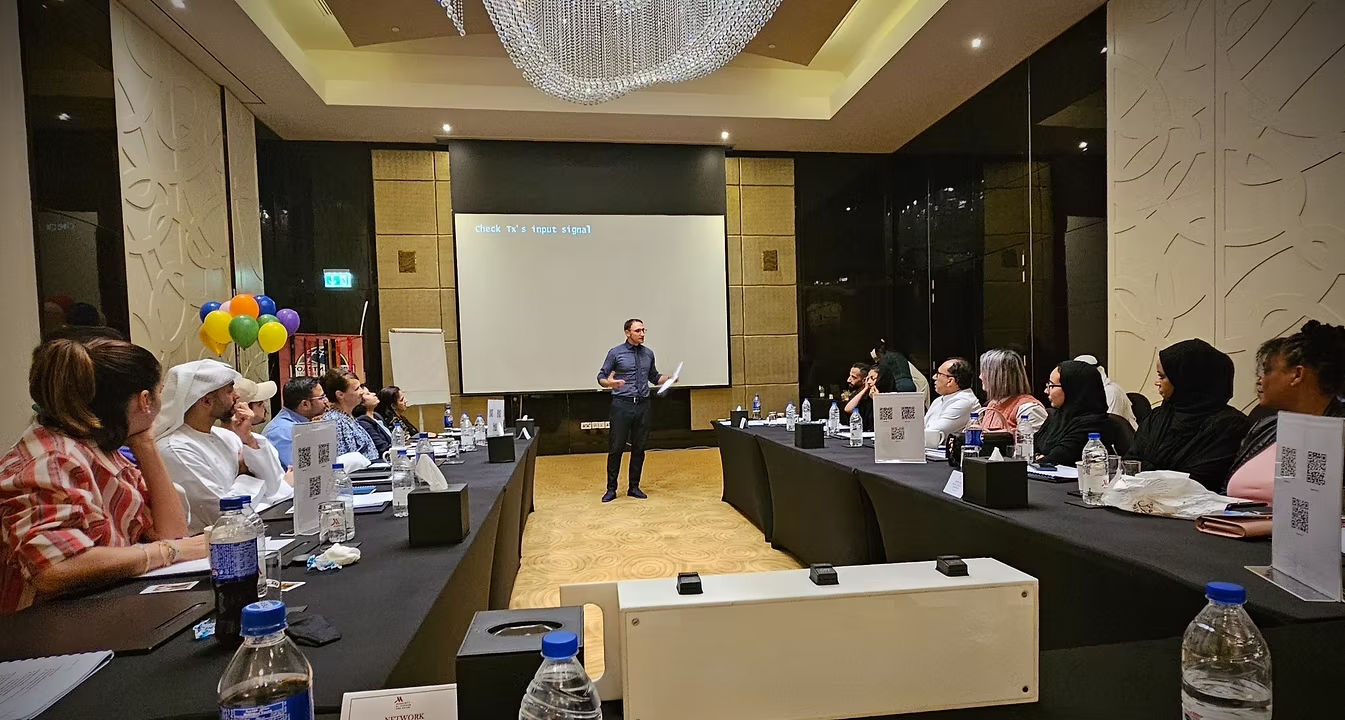
Research demonstrates that a coaching leadership style significantly boosts team knowledge creation, enhances employee motivation, promotes psychological safety, and strengthens organizational adaptability. Recent studies show that eighty percent of coaching clients report improved self esteem or self confidence, while seventy percent experience improvements in work performance, communication, and relationships. These impressive statistics reflect a fundamental truth that progressive leaders worldwide are discovering: when you invest in developing your team members as individuals, everyone wins including you, your team, and your entire organization.

At Marco Polito, we specialize in helping leaders develop the skills and mindset needed to implement effective coaching leadership style approaches that transform team performance and create cultures of continuous growth. Whether you are wondering what is leadership coaching, exploring how to become a leadership coach, or simply seeking to understand how this leadership approach can benefit your team, this comprehensive guide provides the insights, strategies, and practical guidance you need to succeed as a coaching leader.
What Is Leadership Coaching and Why It Matters Now More Than Ever
Understanding what is leadership coaching begins with recognizing that it represents a fundamental shift in how leaders interact with their teams. A coaching leadership style focuses on developing team members as individuals through one on one communication, personalized guidance, and a genuine commitment to their growth. Rather than simply telling people what to do, coaching leaders ask powerful questions that help individuals discover their own solutions, develop their capabilities, and take ownership of their development.
The distinction between managing and coaching is crucial to grasp. Traditional management leadership style is formed around the idea that the leader knows best, with managers overseeing their teams directly and pushing them towards specific outcomes with little thought to the individual behind the work. In contrast, coaching leadership style creates strong collaboration between leaders and teams, with the goal of elevating their work through a more positive view inspired by psychological practices meant to help people flourish. This approach recognizes that sustainable high performance comes not from constant direction but from developing people’s capabilities so they can perform excellently with increasing independence.
The relevance of coaching leadership style has grown dramatically as organizations face unprecedented challenges. Command and control models often fail to enhance employee wellbeing, which is crucial for driving performance and organizational resilience. In volatile business environments where adaptability and innovation determine survival, coaching leadership provides the framework for building teams that can navigate uncertainty, learn continuously, and respond creatively to emerging challenges. The creation of learning organizations marked by knowledge sharing, innovation, and adaptability is consistently linked to coaching leadership behaviors.
The benefits of implementing a coaching leadership style are substantial and well documented through both research and practical experience. This approach fosters stronger communication by establishing mentor like relationships between leaders and employees, leading to more effective dialogue and improved work outputs. It encourages constructive feedback in environments where team members feel safe to share ideas and concerns that drive improvement. It builds trust between team members and leaders through consistent support and genuine investment in their success. It promotes long term development over short term results, recognizing that investing in people’s growth creates sustained competitive advantage. Most importantly, it creates cultures where people feel valued, engaged, and motivated to contribute their best work because they know their leader is genuinely invested in their success.
The financial case for coaching leadership style deserves emphasis beyond the softer benefits. Studies show that coaching leadership drives measurable business outcomes including higher productivity as team members develop skills that make them more effective, lower turnover because people stay where they feel valued and supported, increased innovation as psychological safety encourages creative thinking, and stronger financial performance as all these factors combine to improve bottom line results. For organizations serious about sustainable success, developing coaching leaders is not just nice to have but a strategic imperative.
Understanding the Core Elements of Coaching Leadership Style
The coaching leadership style comprises several interconnected elements that work together to create its distinctive approach. Understanding these core components helps leaders implement this style effectively rather than simply adopting superficial coaching behaviors without the underlying mindset that makes them powerful. The first fundamental element is a genuine focus on individual development, where leaders view their primary role as helping each team member grow rather than simply extracting maximum short term productivity from them.
This developmental focus manifests through personalized attention to each team member’s unique strengths, challenges, aspirations, and learning style. Leaders who embrace a coaching leadership style recognize that one size fits all approaches fail because people are different. They take time to understand what motivates each individual, what obstacles they face, and what support would help them thrive. This personalized approach requires leaders to invest significant time in one on one interactions, but this investment pays dividends through enhanced performance, engagement, and loyalty.
The second core element involves asking powerful questions rather than providing all the answers. Coaching is no longer just a benevolent form of sharing what you know with somebody less experienced, although that remains valuable. It is also a way of asking questions to spark insights in the other person. Leaders using coaching leadership style develop the discipline to resist immediately solving every problem brought to them, instead asking questions that help team members develop their own problem solving capabilities. This approach builds confidence and competence simultaneously because people learn to trust their judgment and develop skills they can apply to future challenges.
Active listening forms another essential element that distinguishes coaching leaders from those using more directive styles. Coaching requires being fully present in conversations with team members, paying attention not just to their words but to their emotions, energy, and underlying concerns. This level of attentiveness allows coaching leaders to understand what team members truly need rather than making assumptions based on surface observations. Mindful leaders need to be fully present in the moment and notice what is happening rather than defaulting to reactive patterns, and this presence enables them to adjust and personalize their approach effectively.
The fourth element is providing constructive feedback balanced with support. Coaching leaders recognize that growth requires honest feedback about areas needing improvement, but they deliver this feedback in ways that motivate rather than discourage. They focus on specific behaviors and outcomes rather than judging the person, they acknowledge efforts and progress even when results are not yet where they need to be, and they work collaboratively with team members to develop improvement plans rather than simply criticizing performance. This balanced approach creates psychological safety where people can acknowledge mistakes and weaknesses without fearing judgment or punishment.
Finally, coaching leadership style emphasizes alignment between individual goals and organizational objectives. Coaching leaders help team members see how their personal development and aspirations connect to larger team and company goals. Leaders need to align their team’s goals with the company’s goals as a whole, keeping an eye on employee development with definable and trackable goals that can also become linked to bonus payouts to help boost retention. This alignment creates win win situations where pursuing personal growth simultaneously advances organizational objectives, making the coaching approach sustainable for both individuals and businesses.
The Proven Benefits of Adopting Coaching Leadership Style
Implementing a coaching leadership style creates numerous benefits that improve outcomes for team members, leaders, and organizations. Understanding these benefits helps leaders commit to the significant effort required to develop coaching capabilities and helps organizations prioritize coaching leadership development as a strategic investment. The first major benefit is enhanced employee engagement and motivation, which represent critical drivers of organizational performance.
Coaching leaders create environments where employees feel valued and heard by actively involving team members in decision making and problem solving. This involvement boosts engagement because people are more committed to initiatives they helped shape and problems they helped solve. Engaged employees are more productive, more likely to stay with their organizations, and more willing to go above and beyond minimum requirements. Research consistently demonstrates that employee engagement significantly impacts retention, with engaged employees dramatically less likely to leave compared to disengaged colleagues.
The second substantial benefit involves improved individual and team performance over time. Coaching leadership style encourages individuals to set and pursue their own goals, fostering a culture of continuous improvement where team members are motivated to achieve their personal best. As team members develop their capabilities through coaching, they naturally become more effective at their work. he make fewer errors as they understand underlying principles rather than just following procedures. we solve problems more effectively because they have developed critical thinking skills. They adapt more readily to changing circumstances because coaching has built their confidence and capability.
Building stronger relationships and trust throughout the organization represents another critical benefit of coaching leadership style. When leaders consistently demonstrate genuine interest in team members’ development, when they listen actively rather than always talking, when they provide support during challenges rather than criticism, trust naturally develops. Leaders who adopt a coaching style take an individual approach to recognizing and cultivating the talents of each team member while simultaneously directing everyone toward a common goal, and when done right this approach helps build a high degree of trust between managers and team members.
The fourth major benefit involves enhanced communication throughout the organization. Coaching leadership focuses on developing mentor like relationships between leaders and employees, and those bolstered relationships often lead to more effective communication improving work outputs for all. When people trust their leaders and feel psychologically safe, they communicate more openly about challenges, concerns, and ideas. They ask questions when they do not understand rather than pretending and potentially making costly mistakes. They offer suggestions for improvement because they know their input will be genuinely considered rather than dismissed. This open communication creates learning organizations that continuously improve.
Creating cultures of innovation and adaptability represents a fifth substantial benefit particularly relevant in today’s rapidly changing business environment. Coaching leadership promotes constructive voice behavior, meaning employees feel safe to express ideas and feedback necessary for organizational change and development. When team members feel empowered to experiment, when they know that intelligent failures will be treated as learning opportunities rather than career limiting mistakes, innovation flourishes. Organizations with strong coaching cultures demonstrate greater capacity to weather disruption because teams are more likely to speak up, collaborate, and innovate when facing challenges.
Finally, coaching leadership style develops future leaders throughout the organization by creating a positive cascade effect. Coaching leadership requires a lot of personal mentorships so that each team member’s skills are developed appropriately, and they therefore become more productive and are more likely to provide mentorship opportunities to others as they climb the corporate ladder. In essence, people who have a coaching leader often become coaching leaders themselves, which benefits organizations in the long term by creating self perpetuating cultures of development and growth.
How to Become a Leadership Coach: Essential Skills and Mindset
Understanding how to become a leadership coach involves developing both specific skills and the underlying mindset that makes coaching effective. While some people have natural inclinations toward coaching approaches, the good news is that coaching capabilities can be systematically developed through education, practice, and commitment to personal growth. The journey to becoming an effective coaching leader begins with self awareness and understanding your current leadership style, strengths, and areas for development.
The first essential skill for coaching leaders involves developing powerful questioning capabilities. Coaching relies heavily on asking questions that promote reflection, insight, and self discovery rather than simply telling people what to do or think. Effective coaching questions are open ended, thought provoking, and focused on helping the other person develop their own understanding rather than leading them to predetermined conclusions. Learning to ask powerful questions requires practice because it contradicts the instinct most leaders have to share their expertise and experience by providing answers.
Active listening represents the second critical skill that effective coaching leaders must develop. This goes far beyond simply hearing words to truly understanding the complete message including emotions, concerns, and unstated assumptions. Coaching leaders listen without immediately formulating responses, they notice non verbal cues that provide additional context, they ask clarifying questions to ensure accurate understanding, and they reflect back what they heard to confirm comprehension. This level of listening requires presence and discipline to resist the urge to interrupt, solve problems prematurely, or shift focus to your own experiences and perspectives.
The third essential capability involves providing constructive feedback that motivates improvement rather than defensiveness. Coaching leaders learn to deliver feedback focused on specific behaviors and observable outcomes rather than judging people’s character or worth. They balance honest assessment of performance gaps with genuine recognition of strengths and progress. They involve team members in developing improvement plans rather than imposing solutions. They follow up consistently to support implementation and provide ongoing guidance. Developing this feedback skill requires practice and often involves unlearning habits of criticism or avoidance that many leaders unconsciously employ.
Emotional intelligence forms the fourth critical foundation for effective coaching leadership. This includes self awareness of your own emotions, triggers, and biases that might interfere with coaching interactions. It includes self regulation to manage your emotional reactions productively rather than allowing them to damage coaching relationships. It encompasses empathy to understand team members’ perspectives and emotions even when they differ from your own. It includes social skills to build rapport, manage difficult conversations constructively, and inspire others through authentic connection. Leaders can develop emotional intelligence through reflection, feedback, coaching, and practice.
The mindset shift required for effective coaching leadership style may be even more important than specific skills. Coaching requires a patient, curious mindset that is unwaveringly in service of your client, and that often requires unlearning the rapid problem solving skills that may have produced career long success in other roles. Leaders must shift from seeing themselves as the expert with all the answers to viewing themselves as facilitators who help others discover their own solutions. They must embrace the reality that short term efficiency may sometimes decrease as they invest time in development that pays off over longer horizons. They must genuinely believe that team members have the potential to grow and that investing in that growth serves everyone’s interests.
For those seriously committed to how to become a leadership coach either as internal leaders or external coaching professionals, formal training and certification provide valuable frameworks, practice opportunities, and credentials. Organizations like the International Coaching Federation provide accreditation standards for coach training programs, with levels ranging from Associate Certified Coach through Master Certified Coach. Programs like those offered at Harvard, Georgetown, Rutgers, and specialized coaching schools provide comprehensive training in coaching methodologies, assessment tools, ethical guidelines, and practical application. These programs typically require significant time commitments ranging from several months to over a year, but they provide structured development paths for those wanting to develop professional level coaching capabilities.
Implementing Coaching Leadership Style: Practical Strategies That Work
Understanding coaching leadership style conceptually is valuable, but the real transformation happens through practical implementation. Leaders often struggle with where to begin and how to integrate coaching approaches into their existing leadership practices. The following strategies provide a roadmap for successfully implementing coaching leadership style in ways that create meaningful improvements without overwhelming yourself or your team during the transition.
Start by conducting honest assessment of your current leadership style and team dynamics. Before attempting to implement coaching approaches, understand your starting point including your natural leadership tendencies, the current level of trust and psychological safety within your team, team members’ readiness for more autonomy and responsibility, and organizational factors that might support or hinder coaching leadership. This assessment helps you develop realistic implementation plans tailored to your specific context rather than trying to force approaches that might not fit your situation.
Begin with small, manageable changes rather than attempting to transform your entire leadership approach overnight. Consider starting with one on one coaching conversations with a single team member who seems most ready for this approach. Practice asking more questions and listening more intently in your regular interactions before trying to coach during high stakes situations. Schedule regular development focused meetings separate from performance reviews or project discussions to create space for coaching. These incremental changes allow you to build coaching capabilities gradually while experiencing early successes that motivate continued development.
Establish clear expectations and boundaries around your coaching role to prevent confusion about when you are coaching versus when you are providing direction as a manager. Make it explicit when you are shifting into coaching mode so team members understand the purpose of the conversation. Be clear that coaching supplements rather than replaces appropriate managerial responsibilities like providing clear expectations, making necessary decisions, and giving direction when situations require it. Help team members understand that coaching aims to develop their capabilities and that you will adjust your approach based on their developmental needs and situational requirements.
Develop structured coaching conversations using proven frameworks that provide guidance while you are building coaching skills. Models like GROW (Goal, Reality, Options, Way Forward) provide simple structures for coaching discussions. Start by establishing what the team member wants to achieve, explore their current reality including obstacles and resources, generate options for moving forward, and commit to specific actions with accountability. Having frameworks prevents coaching conversations from becoming unfocused chats while you are still developing intuitive coaching capabilities.
Create psychological safety as a foundation for effective coaching by demonstrating through consistent actions that curiosity and learning are valued over perfection and that intelligent failures are treated as growth opportunities. Share your own mistakes and what you learned from them. Respond non defensively when team members raise concerns or disagree with your ideas. Acknowledge uncertainty rather than pretending to have all the answers. Follow through on commitments to build trust. These behaviors signal that it is safe to be honest, take risks, and admit when help is needed, which are essential conditions for coaching to work effectively.
Invest in your own coaching development through formal training, reading, practice, and receiving coaching yourself. Just as you cannot lead others effectively without understanding your own leadership, you cannot coach well without experiencing coaching and understanding it from the inside. Consider working with an executive coach who can help you develop coaching capabilities while also supporting your overall leadership effectiveness. Participate in coach training programs even if you do not intend to become a professional coach because these programs provide structured skill development, practice opportunities with feedback, and connections with other coaching leaders. At Marco Polito, we offer comprehensive programs that help leaders develop coaching capabilities, and learning more about our approach at Marco Polito can provide valuable insights into effective coaching leadership development.
Overcoming Common Challenges in Coaching Leadership Style
While coaching leadership style offers substantial benefits, leaders often encounter challenges when implementing this approach. Understanding these common obstacles and how to address them helps leaders persist through difficulties rather than abandoning coaching approaches prematurely. The first common challenge involves time constraints, as effective coaching takes considerable time and effort especially during the initial phases of developing team members’ capabilities.
Leaders struggling with time challenges should remember that coaching is an investment that pays dividends through team members who eventually require less oversight and can handle more complex work independently. In the short term, be strategic about where you invest coaching time by focusing on high potential team members or situations where coaching will have the greatest impact. Use brief coaching moments in regular interactions rather than assuming all coaching requires lengthy formal sessions. Delegate more operational tasks to create time for the developmental leadership work that only you can provide. Accept that some short term efficiency loss is necessary for long term capacity building.
The second common challenge involves resistance from team members accustomed to more directive leadership styles. Some employees find it challenging to adapt to a coaching approach as it requires them to take more ownership of their development and decision making. They may initially feel frustrated when you respond to questions with questions rather than simply telling them what to do. This resistance often stems from lack of confidence in their own judgment or preference for the comfort of being told what to do rather than having to think through problems independently.
Address this resistance by clearly explaining your coaching approach and its benefits, starting with small doses of coaching for people who are resistant while providing more direction initially, celebrating and reinforcing instances when team members successfully solve problems or make good decisions independently, and being patient as people adapt to new expectations. Remember that some individuals may never fully embrace high levels of autonomy, and that is okay because effective leaders flex their style based on individual readiness and needs rather than rigidly applying one approach to everyone.
The third challenge involves situations where coaching is not the appropriate leadership approach. Coaching leadership style is most effective when leading teams where employees are driven but engagement and motivation are low, taking over teams with toxic culture or existing distrust of leaders, noticing disconnects between organizational and personal objectives, or identifying departmental silos. However, coaching is less effective during genuine crises requiring immediate decisive action, when team members lack fundamental skills or knowledge that must be taught, with brand new employees still learning basic role requirements, or when strict compliance with procedures is necessary for safety or regulatory reasons.
Effective leaders recognize when to shift away from coaching approaches toward more directive styles temporarily. The situational leadership model suggests that managers should not stick to one leadership style but rather change their approach to leverage their teams’ strengths and meet situational demands. Developing this flexibility to shift between coaching and other leadership approaches based on context represents advanced leadership capability that serves leaders and their teams well.
The fourth challenge involves leaders’ own discomfort with the coaching approach particularly if they have built their success on being the expert with all the answers. Shifting to asking questions and allowing others to struggle toward solutions can feel uncomfortable or even irresponsible to leaders accustomed to solving problems quickly. This discomfort often intensifies when watching team members make mistakes that the leader could have prevented through direction.
Overcoming this challenge requires reframing how you think about your role and success as a leader. Your success is no longer primarily measured by how many problems you personally solve but by how effectively you develop your team’s capabilities to solve problems independently. Mistakes that occur during coaching represent learning opportunities that strengthen future performance rather than failures to prevent. Reminding yourself that your job is to work yourself out of job by developing people who can eventually function without your constant involvement helps maintain perspective when coaching feels uncomfortable or inefficient.
Real World Examples of Coaching Leadership Style Success
Understanding coaching leadership style becomes more concrete through examining real examples of leaders who successfully implemented this approach and the results they achieved. These examples illustrate how coaching leadership looks in practice and demonstrate the tangible benefits organizations experience when leaders embrace coaching approaches. One powerful example comes from the technology sector where a global firm grappling with innovation and employee engagement challenges recognized the need to shift from traditional leadership to more dynamic coaching leadership.
The company launched comprehensive training programs for managers focusing on active listening, effective feedback, and problem solving skills that characterize coaching leadership style. They implemented regular one on one coaching sessions aimed at understanding and nurturing individual team members’ strengths and aspirations. They empowered employees to take ownership of their projects, fostering environments of innovation and self led growth. The results were substantial including enhanced innovation through a surge in creative solutions and innovative thinking, improved employee engagement resulting in heightened satisfaction and motivation, business growth through improvements in productivity and quality of work, and cultural shifts toward collaboration, open communication, and continuous development.
Another compelling example comes from the sports world where legendary basketball coach Phil Jackson exemplified coaching leadership style principles throughout his career. Jackson seamlessly blended his expertise with real understanding of each player, taking time to understand individual strengths, weaknesses, personalities, and potential. He emphasized mindfulness, teamwork, and player empowerment, creating environments where players could immerse themselves in their roles. His ability to connect with each player and tailor his guidance to individual needs resulted in unprecedented success including eleven NBA championships, demonstrating how coaching leadership creates exceptional performance through developing people rather than simply directing their actions.
In the corporate world, leaders who prioritize communication and relationship building often employ coaching leadership style to great effect. These leaders spend significant time in one on one conversations with team members, asking about their career aspirations, understanding their challenges, and working collaboratively to develop growth plans. They celebrate team members’ successes publicly while providing constructive feedback privately. They create environments where people feel safe admitting when they do not know something or need help. The results include teams characterized by high trust, strong collaboration, and consistent delivery of excellent results.
For leaders interested in developing their own coaching capabilities and communication skills, programs like the five day public speaking challenge offered at coaching leadership style provide valuable opportunities to build confidence and skills that support coaching leadership. Strong communication abilities are fundamental to effective coaching, and investing in developing these capabilities enhances your overall leadership effectiveness.
The Connection Between Coaching Leadership and Life Coaching Benefits
The skills and approaches that make coaching leadership style effective in organizational contexts are closely related to the broader benefits of life coaching that help individuals achieve personal and professional goals. Understanding this connection helps leaders appreciate how investing in their own development through coaching can enhance their ability to coach others effectively. Working with a professional coach provides firsthand experience of what effective coaching feels like, which informs how you coach your own team members.
The core principles underlying both leadership coaching and personal life coaching include focusing on the individual’s goals and aspirations rather than the coach’s agenda, asking powerful questions that promote self discovery and insight, providing accountability and support for taking action toward goals, celebrating progress and learning from setbacks, and creating safe spaces for honest self examination and growth. Leaders who experience these principles through their own coaching relationships gain deeper understanding of how to apply them when coaching team members.
Additionally, many of the challenges that coaching addresses in organizational contexts like lack of confidence, unclear goals, difficulty making decisions, and struggles with work life balance also affect leaders personally. Working with a coach on these personal challenges builds self awareness and emotional intelligence that translate directly into more effective leadership. You cannot lead others to places you have not been willing to go yourself, and personal development through coaching creates authentic leadership rather than surface techniques that team members see through quickly.
The benefits of life coaching including improved self confidence, clearer goal setting, enhanced communication skills, and greater resilience directly support leadership effectiveness. For comprehensive information about how life coaching builds confidence and leadership capabilities, exploring resources like the Benefits of Life Coaching provides valuable insights. Leaders who invest in their own coaching and development naturally become better coaching leaders because they understand the transformation that coaching enables and can authentically share that experience with their teams.
Taking Action: Developing Your Coaching Leadership Style
Understanding coaching leadership style conceptually provides valuable knowledge, but transformation requires taking action to develop coaching capabilities and implement coaching approaches with your team. The journey to becoming an effective coaching leader involves both internal development of mindset and skills and external application of coaching practices in your daily leadership responsibilities. Starting this journey requires commitment to your own growth and willingness to be uncomfortable as you develop new capabilities.
Begin by honestly assessing your current leadership approach and identifying specific areas where coaching practices could enhance your effectiveness. Consider questions like: Do I tend to provide solutions rather than helping team members develop their own? How often do I have genuine development conversations versus task focused discussions? Do team members feel safe bringing me problems and mistakes? How well do I really know each team member’s aspirations and development needs? This honest self assessment provides starting points for focused development efforts.
Next, commit to specific coaching practices you will implement starting immediately. Perhaps you will schedule monthly development focused one on one meetings with each team member separate from performance discussions. Maybe you will practice responding to questions with questions rather than immediate answers. You might commit to asking each team member about their career aspirations and what support they need. Choose practices that stretch you slightly beyond your comfort zone but remain realistic given your current capabilities and time constraints.
Seek feedback on your leadership and coaching from your team members, peers, and your own manager. Ask specifically about whether people feel supported in their development, whether they experience your leadership as empowering or controlling, and what you could do differently to help them grow. This feedback requires courage because it may reveal uncomfortable truths about gaps between your intentions and your impact, but this awareness is essential for meaningful development.
Consider investing in formal leadership coaching education or working with an executive coach who can support your development. While this represents financial investment, the returns through enhanced leadership effectiveness, improved team performance, and accelerated career progression typically far exceed the costs. Programs specifically designed to develop coaching leaders provide structured frameworks, practice opportunities with feedback, and communities of other leaders pursuing similar development.
Remember that developing coaching leadership style is a journey rather than a destination. Even the most skilled coaching leaders continue learning and refining their approaches throughout their careers. Be patient with yourself as you develop new capabilities, celebrate progress rather than focusing only on how far you still have to go, and maintain commitment to growth even when challenges arise. The investment you make in developing coaching leadership capabilities will serve you throughout your entire career while also benefiting everyone you lead.
Frequently Asked Questions About Coaching Leadership Style
What exactly is coaching leadership style and how does it differ from other leadership approaches?
Coaching leadership style focuses on developing team members as individuals through one on one communication, personalized guidance, and genuine commitment to their growth rather than simply directing their actions. Unlike autocratic or command and control approaches where leaders make decisions and expect compliance, coaching leaders work collaboratively with team members to help them develop capabilities and discover their own solutions. Unlike laissez faire leadership where leaders provide minimal guidance, coaching leaders remain actively engaged but through asking questions, providing feedback, and offering support rather than constant direction. The key distinction is that coaching leaders view success as developing people who can eventually function independently rather than maintaining dependency on the leader for solutions.
How long does it take to develop effective coaching leadership capabilities?
Developing coaching leadership style capabilities is an ongoing journey rather than a destination reached through a specific program or timeline. Most leaders notice improvements in their coaching after several months of consistent practice including applying coaching techniques, receiving feedback, and refining their approach. Formal coach training programs typically range from three to twelve months depending on depth and certification level. However, truly mastering coaching leadership often takes years of practice across diverse situations and with different team members. The good news is that you will see benefits from coaching approaches even as you are still developing your skills, and each coaching conversation provides learning that enhances future coaching effectiveness.
Is coaching leadership appropriate for all situations and team members?
While coaching leadership style offers substantial benefits, it is not universally appropriate for every situation or individual. Coaching works best when team members have foundational competence and knowledge but need development to reach their potential, when situations allow time for development rather than requiring immediate results, when psychological safety exists so people feel comfortable being honest about challenges, and when individuals demonstrate willingness to take ownership of their growth. Coaching is less appropriate during genuine emergencies requiring quick decisive action, with brand new employees still learning basic role requirements, when strict procedure compliance is critical for safety or regulatory reasons, or with individuals who consistently resist taking responsibility for their development despite support. Effective leaders recognize these distinctions and flex their approach accordingly rather than rigidly applying coaching in all circumstances.
How to become a leadership coach professionally versus using coaching leadership as a manager?
Understanding how to become a leadership coach depends on whether you want to coach professionally as an external consultant or apply coaching approaches within your management role. For professional coaching, most successful paths include obtaining formal coach training from programs accredited by the International Coaching Federation, accumulating supervised coaching hours typically ranging from one hundred to over five hundred depending on certification level, passing assessments demonstrating coaching competencies, and building a practice through networking, reputation, and demonstrated results. For managers wanting to incorporate coaching leadership style, the path involves developing coaching skills through workshops, practice, and feedback, shifting mindset from problem solver to developer of people, creating structures for regular coaching conversations with team members, and balancing coaching with other necessary leadership responsibilities. Both paths require commitment to continuous learning and personal development.
What specific behaviors should I practice to implement coaching leadership style?
Implementing coaching leadership style involves practicing specific behaviors that demonstrate coaching approaches. Start by asking more questions and providing fewer immediate answers, specifically open ended questions that promote reflection and self discovery. Practice active listening by focusing completely on the speaker without planning your response, noticing non verbal cues, and confirming understanding before responding. Schedule regular one on one development conversations separate from performance reviews or task discussions. Provide balanced feedback that acknowledges strengths and progress while honestly addressing areas needing improvement. Involve team members in solving problems and making decisions rather than always deciding yourself. Celebrate instances when people successfully handle challenges independently. Share your own learning experiences and mistakes to model that growth involves setbacks. These behaviors, practiced consistently, gradually shift your leadership approach toward coaching over time.
How does coaching leadership style impact team performance and business results?
Research and practical experience demonstrate that coaching leadership style significantly improves both team performance and business outcomes when implemented effectively. Teams with coaching leaders show higher engagement and motivation as people feel valued and invested in their growth. They demonstrate improved performance over time as individuals develop capabilities through coaching rather than remaining dependent on leaders. They exhibit enhanced innovation and creativity because psychological safety encourages experimentation and sharing ideas. They show stronger retention as people stay where they feel supported and see opportunities for development. Organizations implementing coaching leadership report measurable improvements in productivity, quality, customer satisfaction, and financial performance. The benefits typically become more pronounced over time as coaching builds capabilities that compound through continued application and as team members begin coaching others, creating cultures of development throughout organizations.
Transform Your Leadership Today With Marco Polito
If you are ready to develop the coaching leadership style capabilities that will transform your team’s performance and create lasting positive impact throughout your organization, Marco Polito provides the expert guidance and comprehensive support you need. Our programs help leaders at all levels develop the mindset, skills, and practices that make coaching leadership effective while also building the confidence and communication capabilities that support leadership excellence.
Visit Marco Polito to explore our comprehensive coaching and leadership development services. You will discover detailed information about our approach to developing coaching leaders, learn about programs designed specifically for your development stage and goals, and access valuable resources that support your leadership journey. Our global reach through virtual platforms means that high quality coaching and leadership development is accessible regardless of your location, allowing you to invest in your growth without the constraints of geography or travel.
Whether you are just beginning to explore coaching leadership style or you have already started implementing coaching approaches and want to deepen your capabilities, Marco Polito offers programs tailored to your specific needs. From intensive workshops that accelerate skill development to ongoing coaching relationships that support sustained growth, we provide the right level of support for your situation. Our experienced coaches understand the challenges leaders face when developing coaching approaches and provide practical guidance grounded in real world experience rather than just theory.
Take the first step toward transforming your leadership today by reaching out to Marco Polito to discuss your specific goals and challenges. Together, we will develop a plan for building your coaching leadership capabilities in ways that honor your strengths while expanding your effectiveness. The investment you make in developing coaching leadership style will serve you throughout your entire career while creating positive impact for everyone you lead. Do not wait to begin this transformative journey. Contact us today and discover how coaching leadership can unlock your team’s full potential while advancing your own leadership capabilities to new levels of effectiveness and fulfillment.
About Marco Polito
Marco Polito is a premier provider of leadership coaching, communication training, and confidence building services for professionals worldwide. Specializing in helping leaders develop coaching leadership style approaches that transform team performance, Marco Polito offers comprehensive programs combining expert guidance, proven methodologies, and personalized support. Whether you are seeking to enhance your leadership effectiveness, develop coaching capabilities, or build the communication and confidence skills that support leadership excellence, Marco Polito provides the expertise and support needed for your success. Learn more at Marco Polito